The sea after a storm can sometimes cough up the most interesting objects.
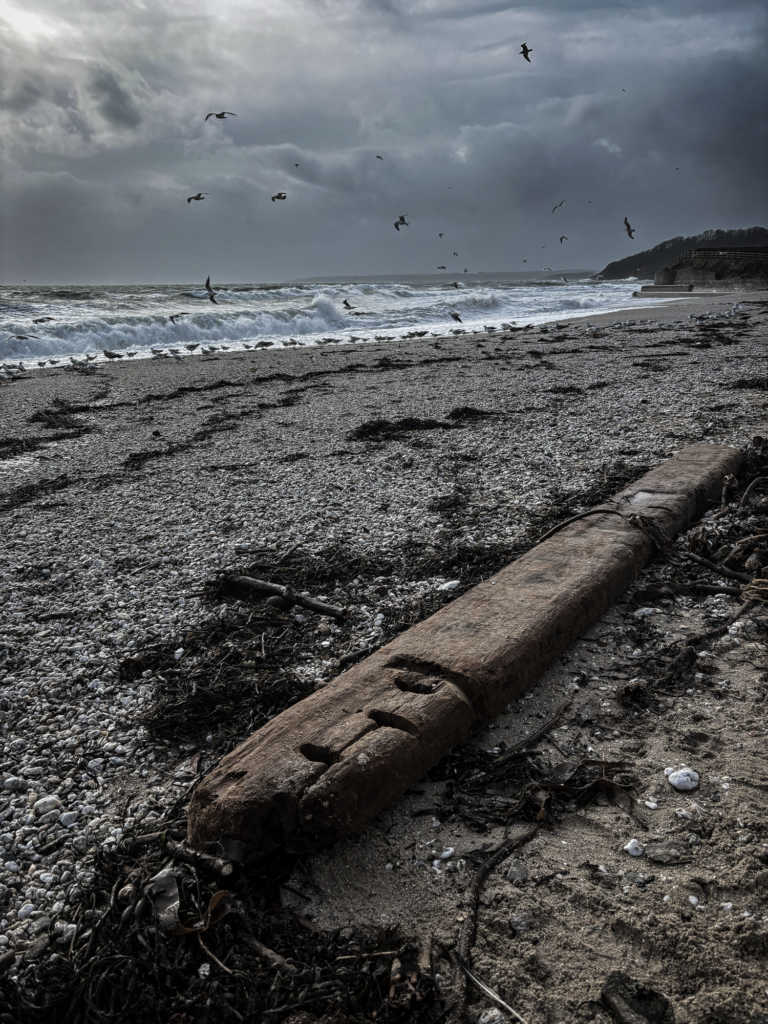
This 12 foot lump of wood was found whilst walking in the beach after a January storm.
The two suggestions of where the wood came from range from a prop that was holding up a yacht in Penryn and that it was part of the Falmouth wharf in the harbour and that it had come from a fire from 2001. The would be in 19 century coming from when the wharf was originally built and apparently it’s a Canadian pine tree with a very nice red about it.
A friend wanted to take it from the beach to his garden but needed a van. I’m not sure if he succeeded it was very heavy probably needed about four people to lift.
One of the great things I’ve lived by the sea is being able to be surprised by what is washed up on the beach
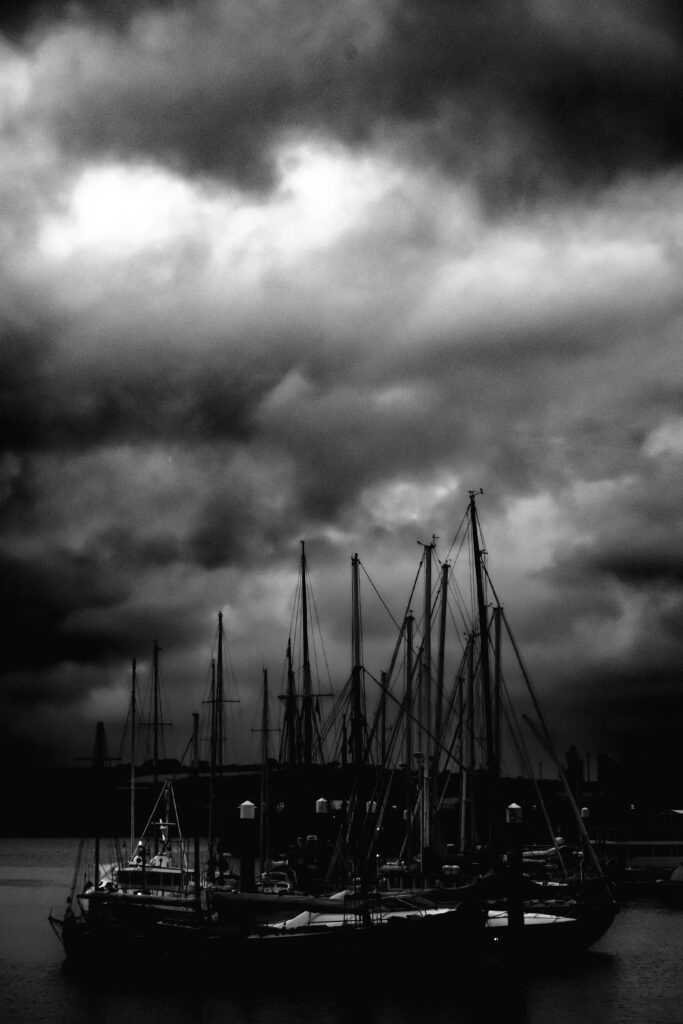
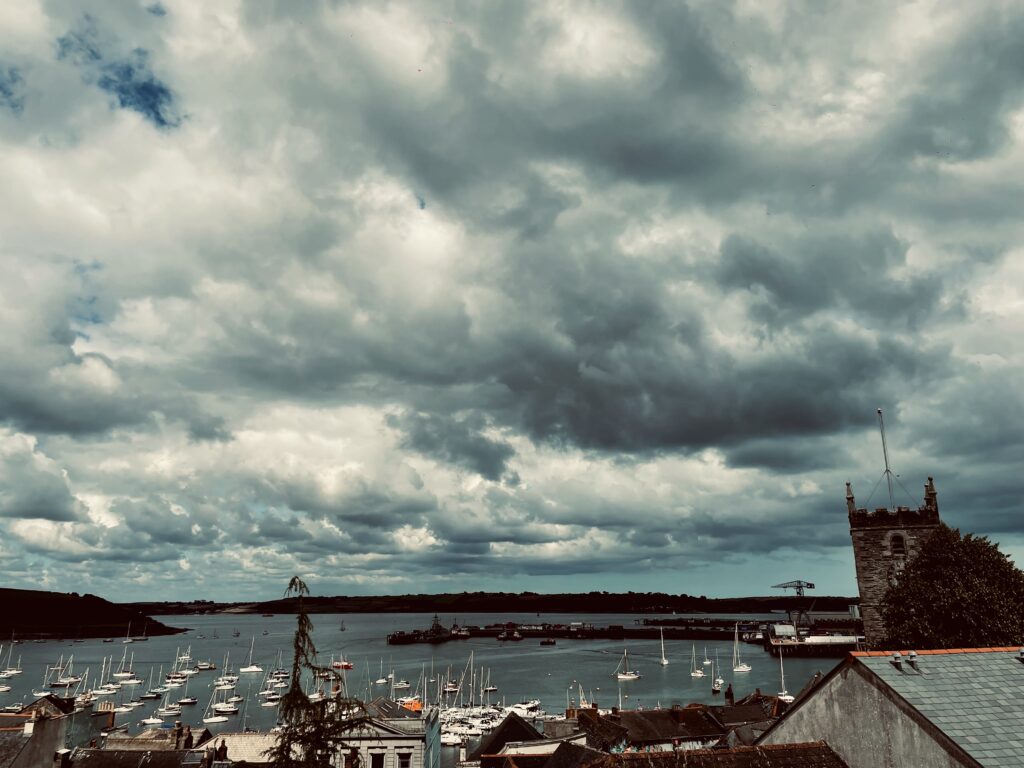
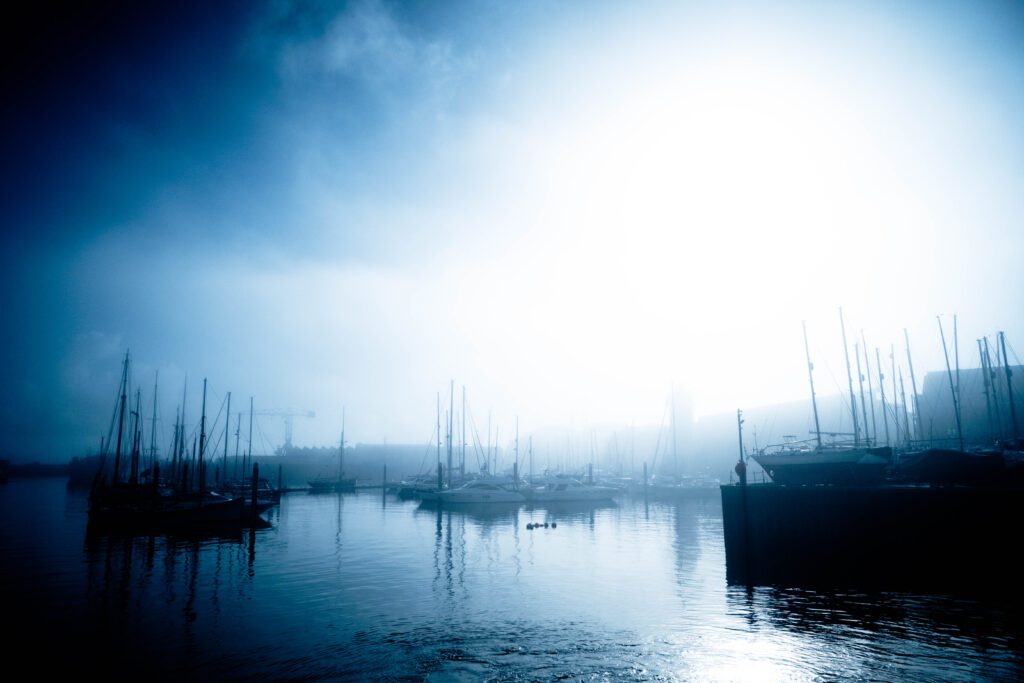
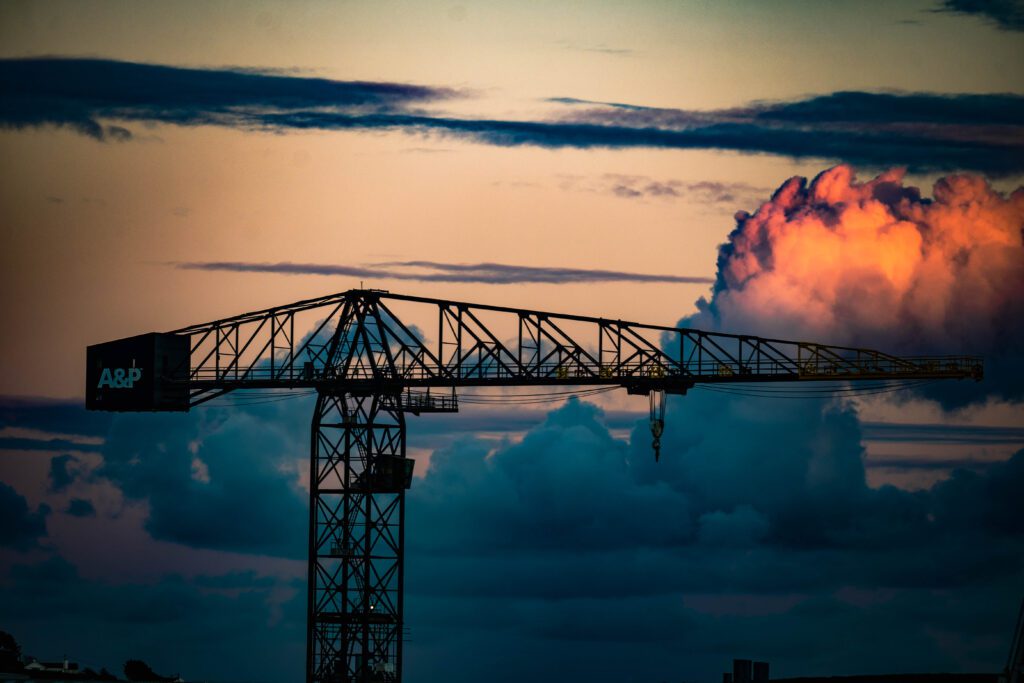
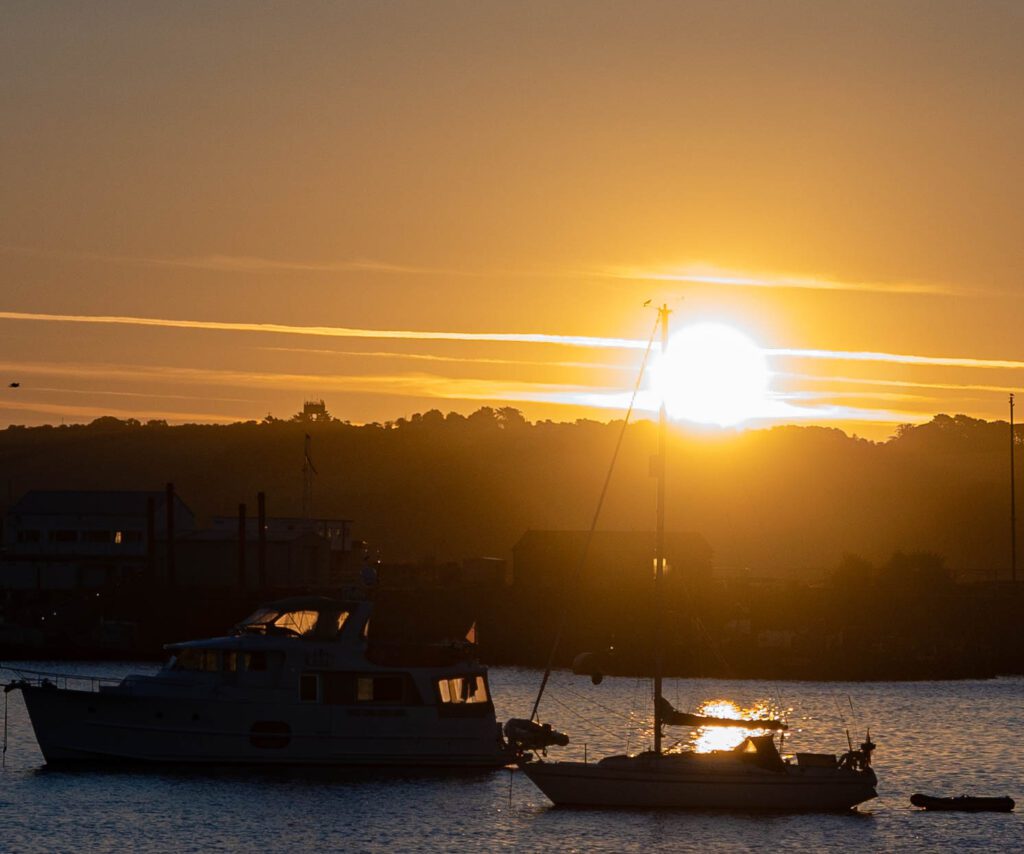
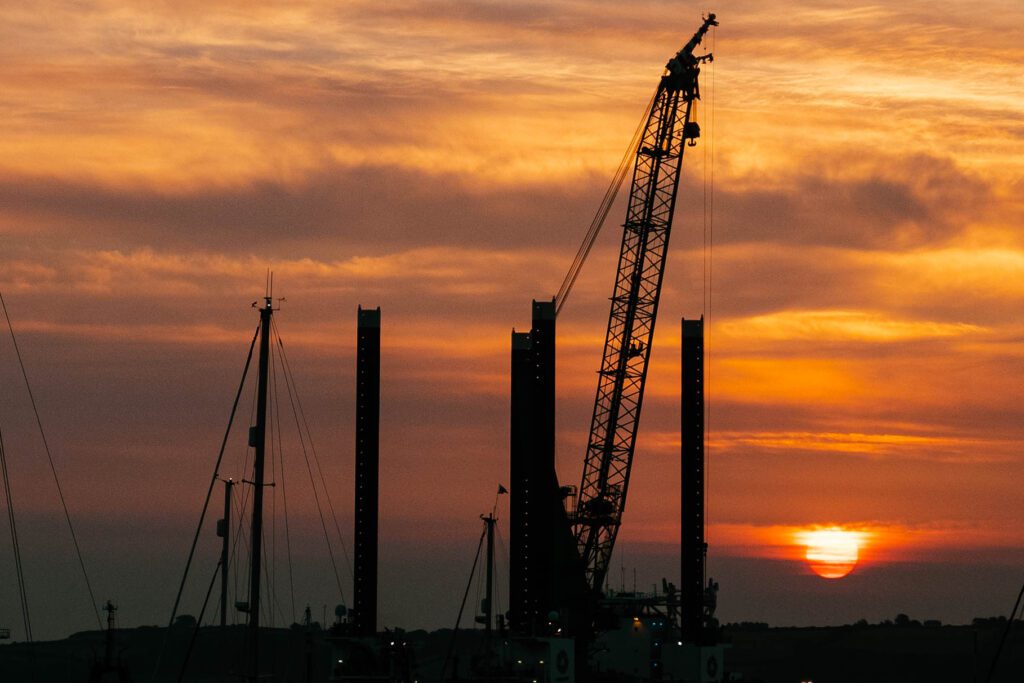
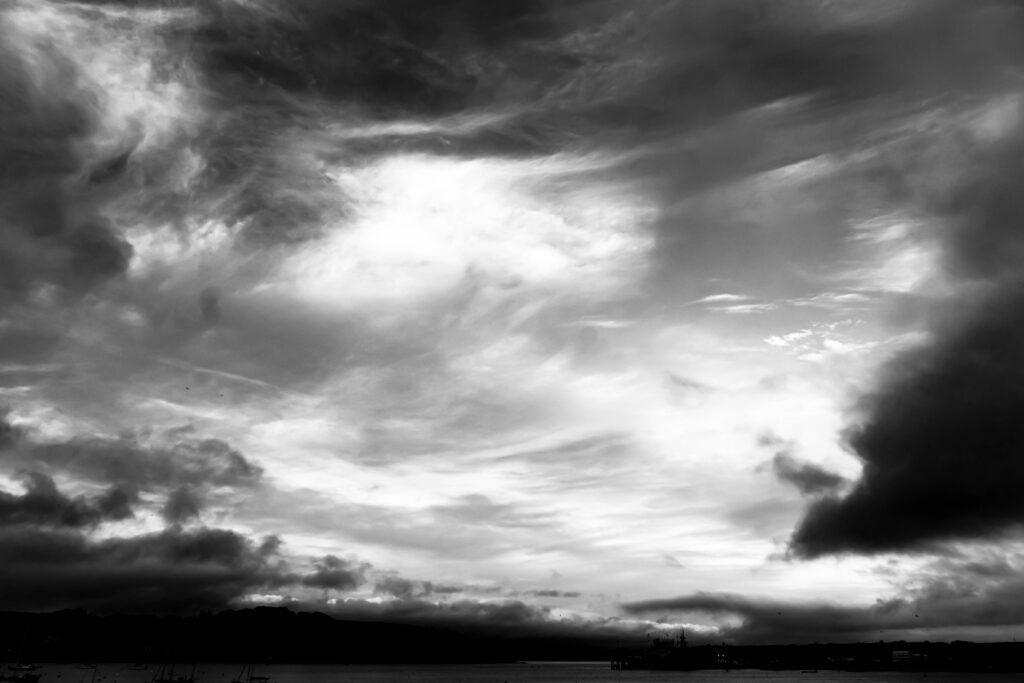
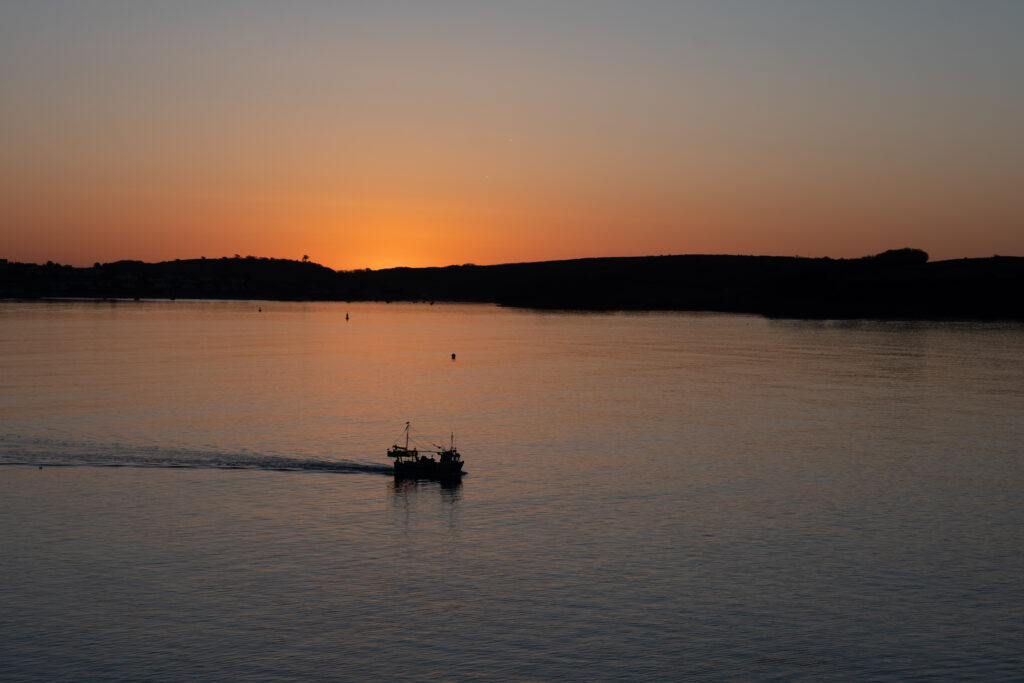
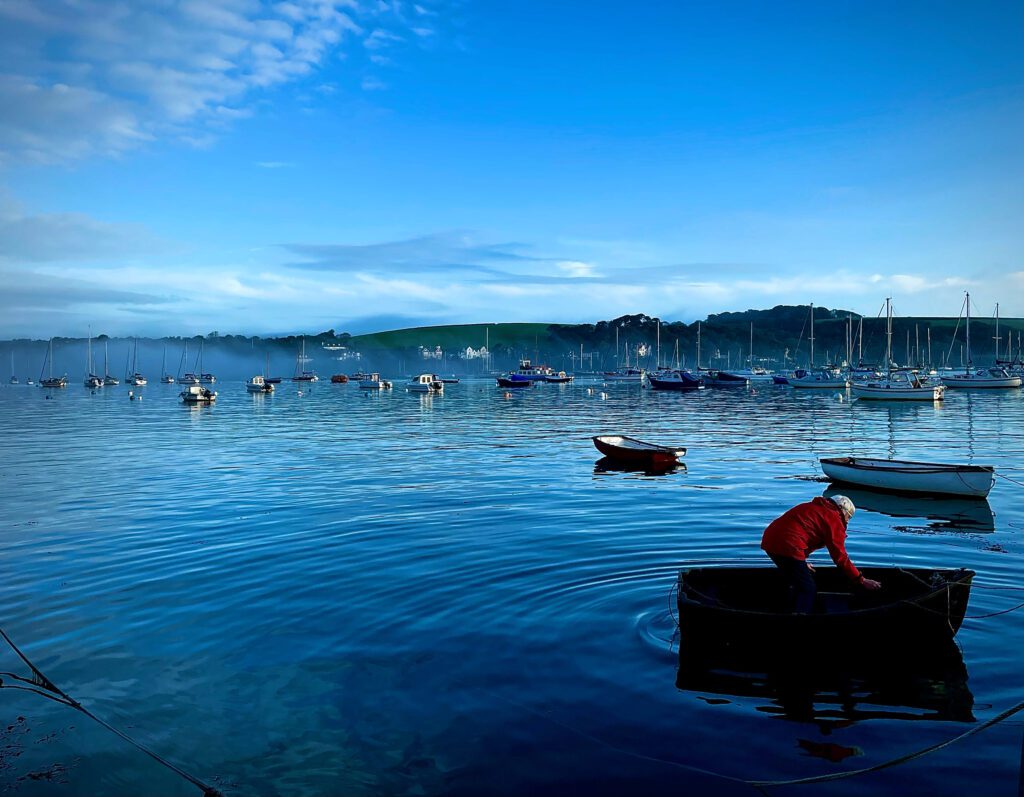
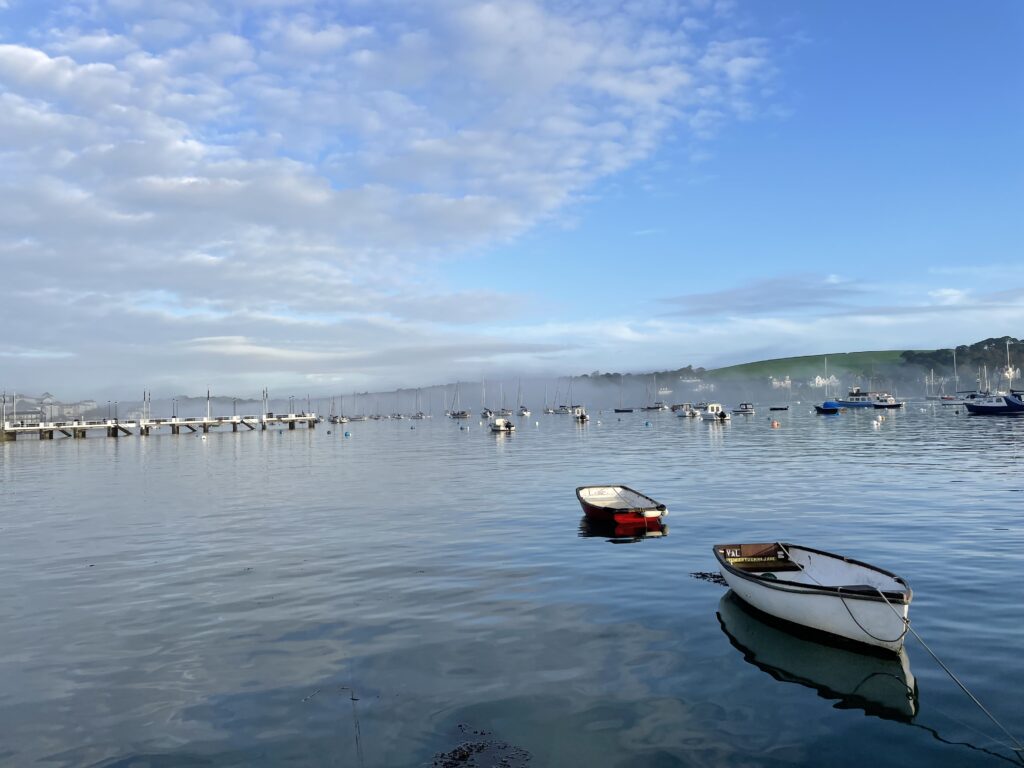
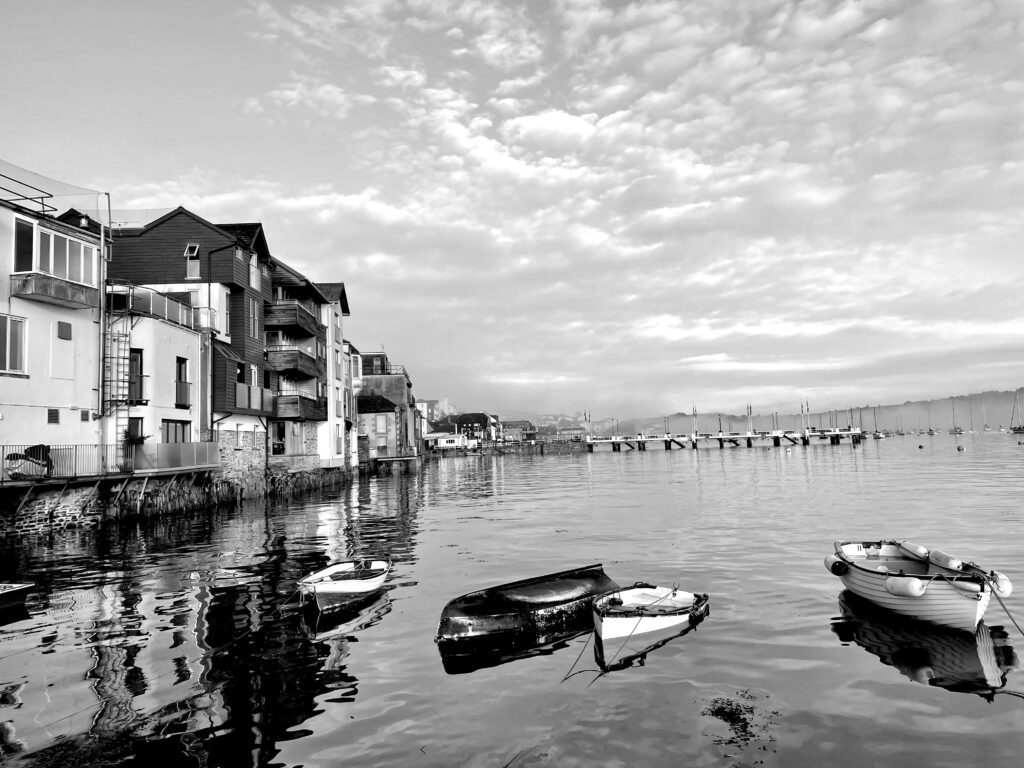
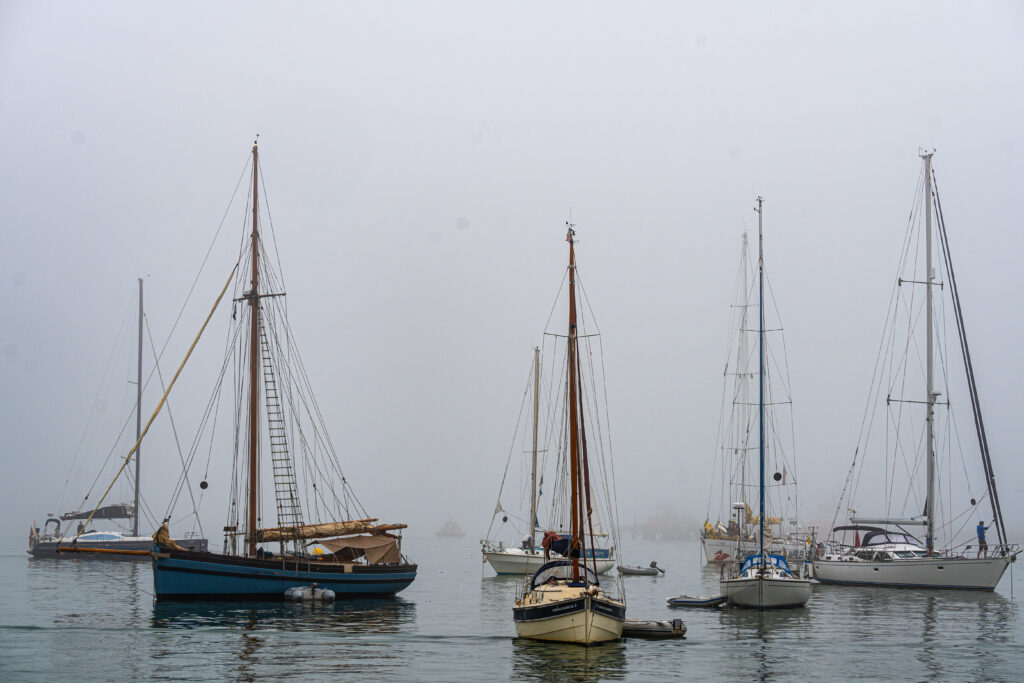
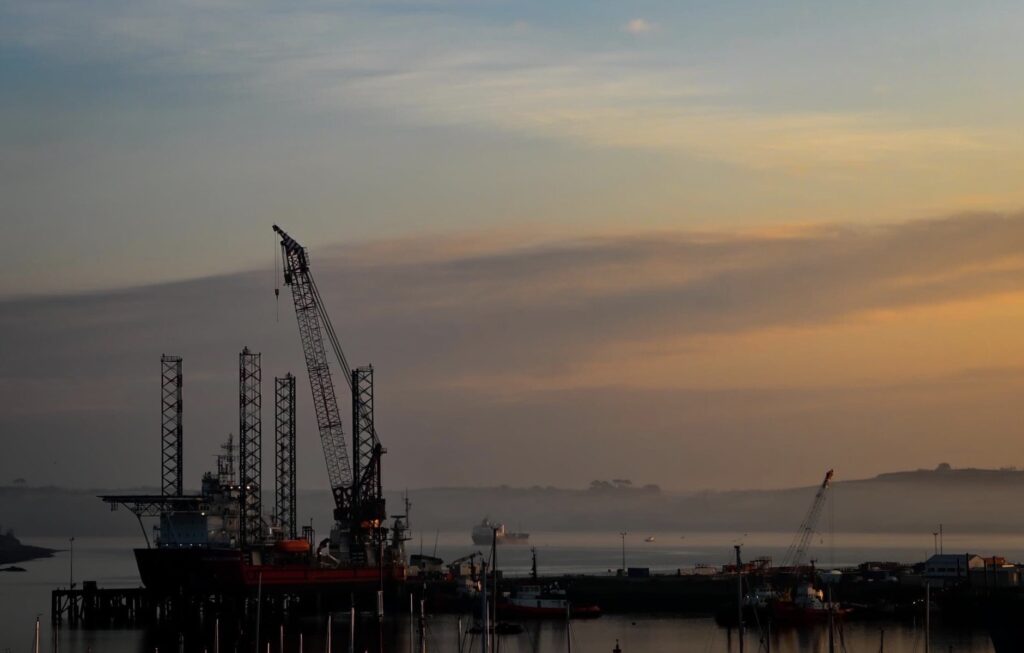
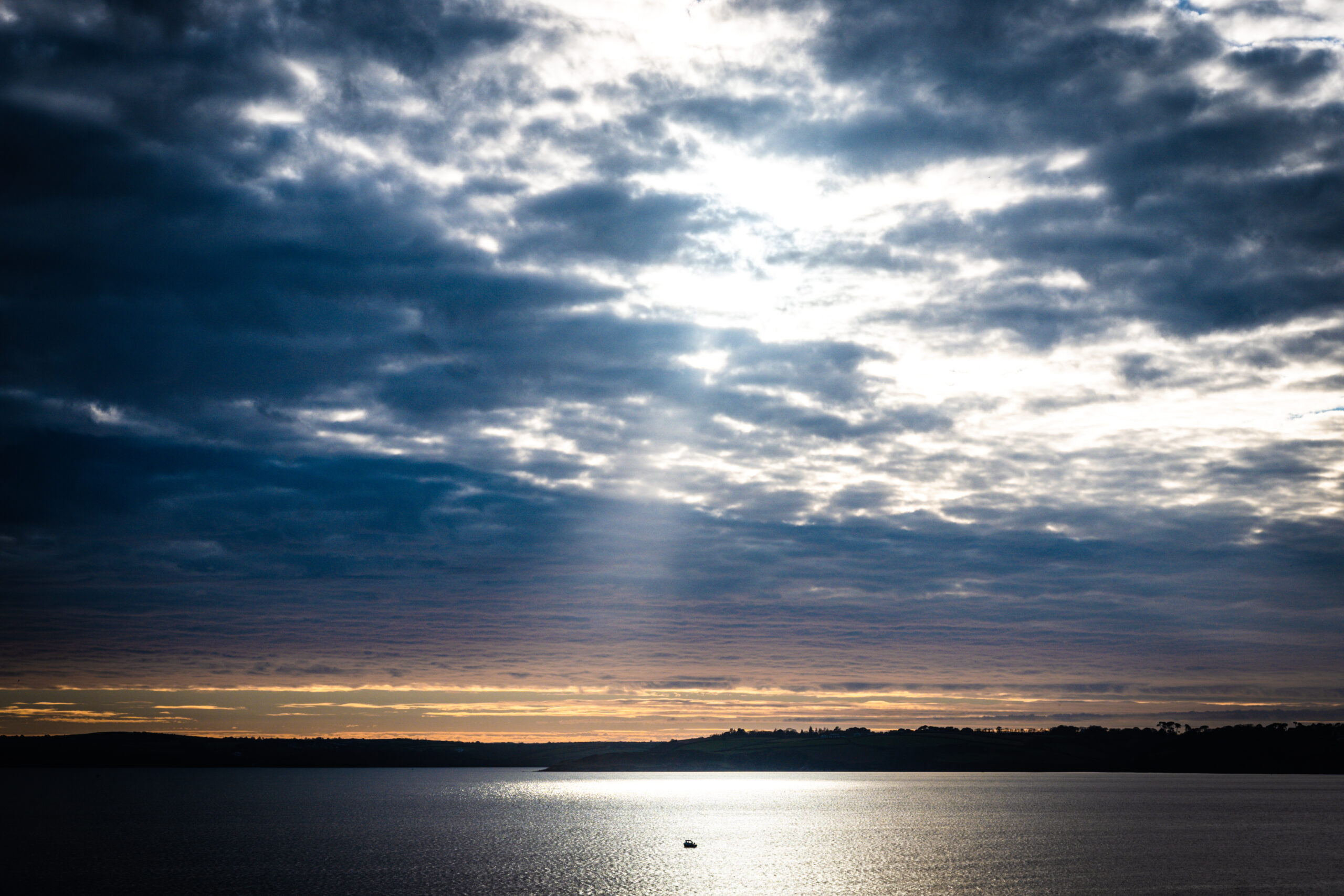
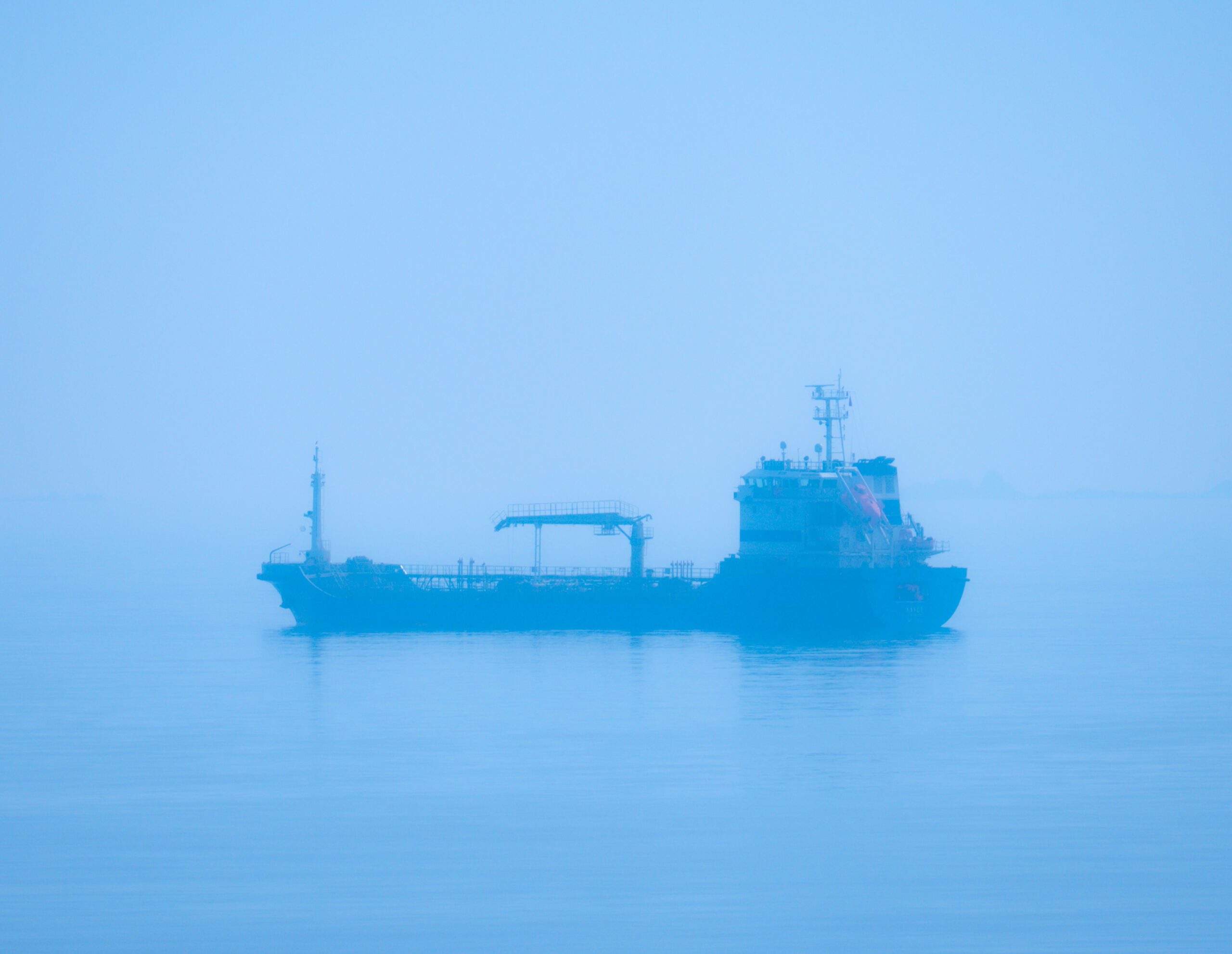
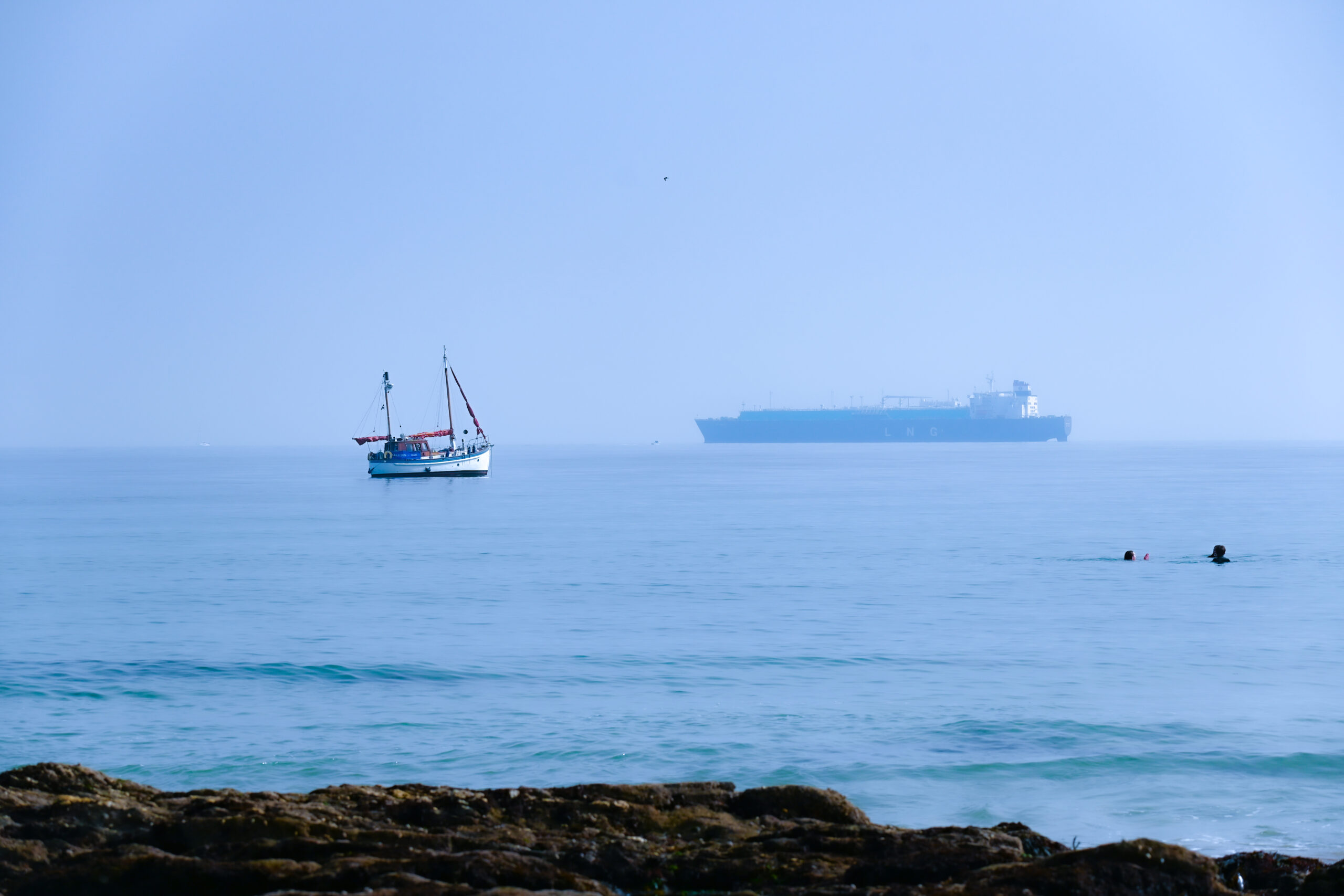
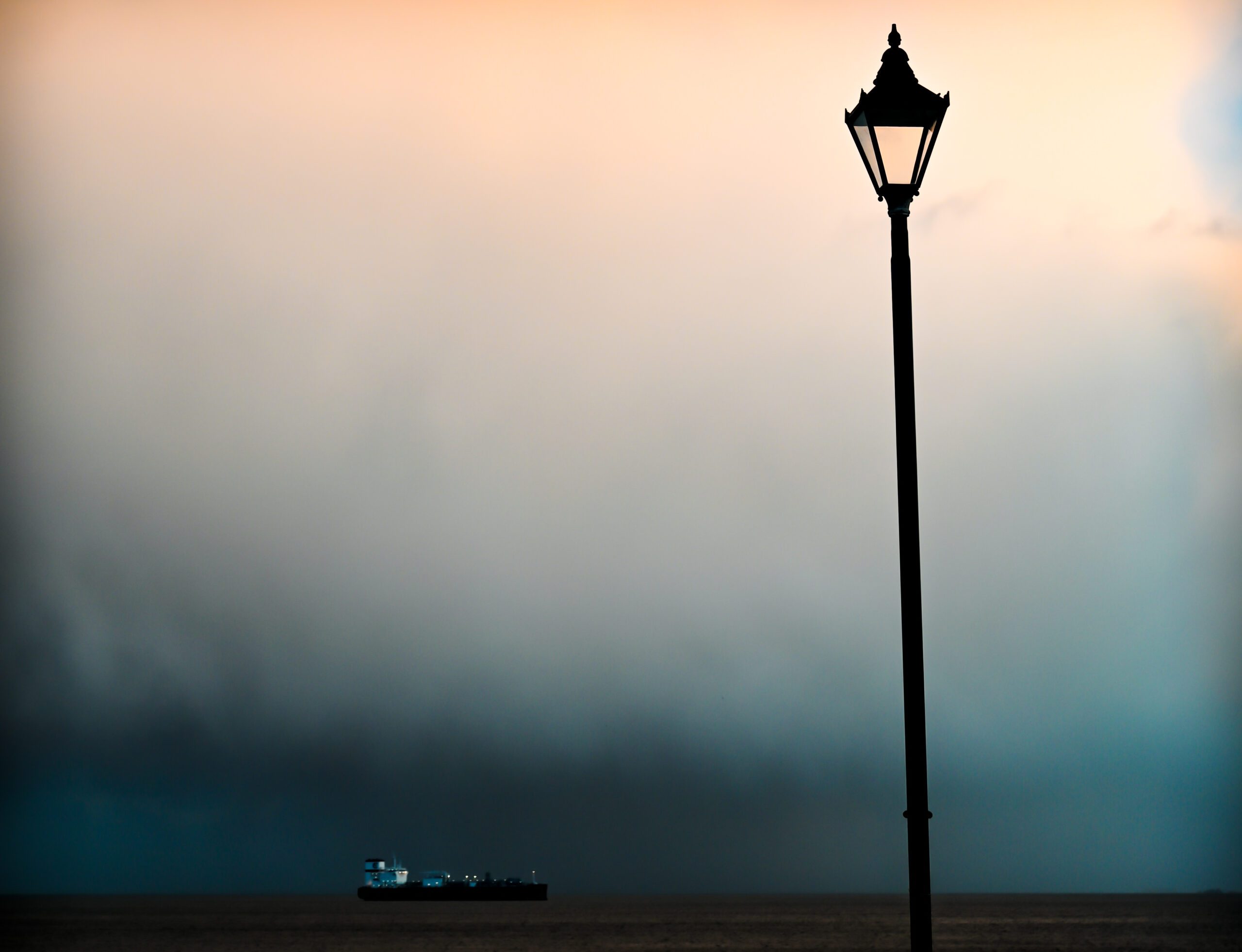
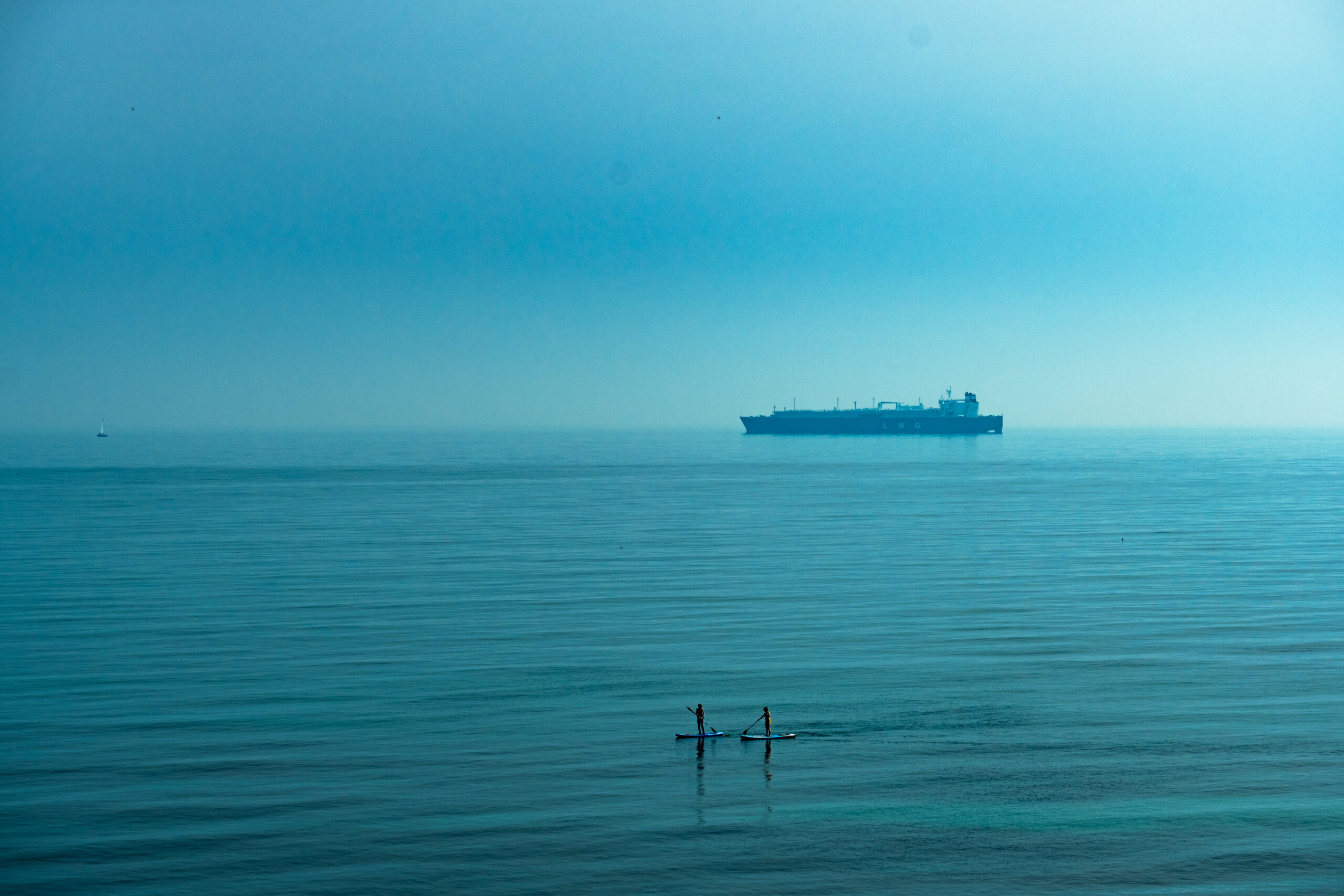
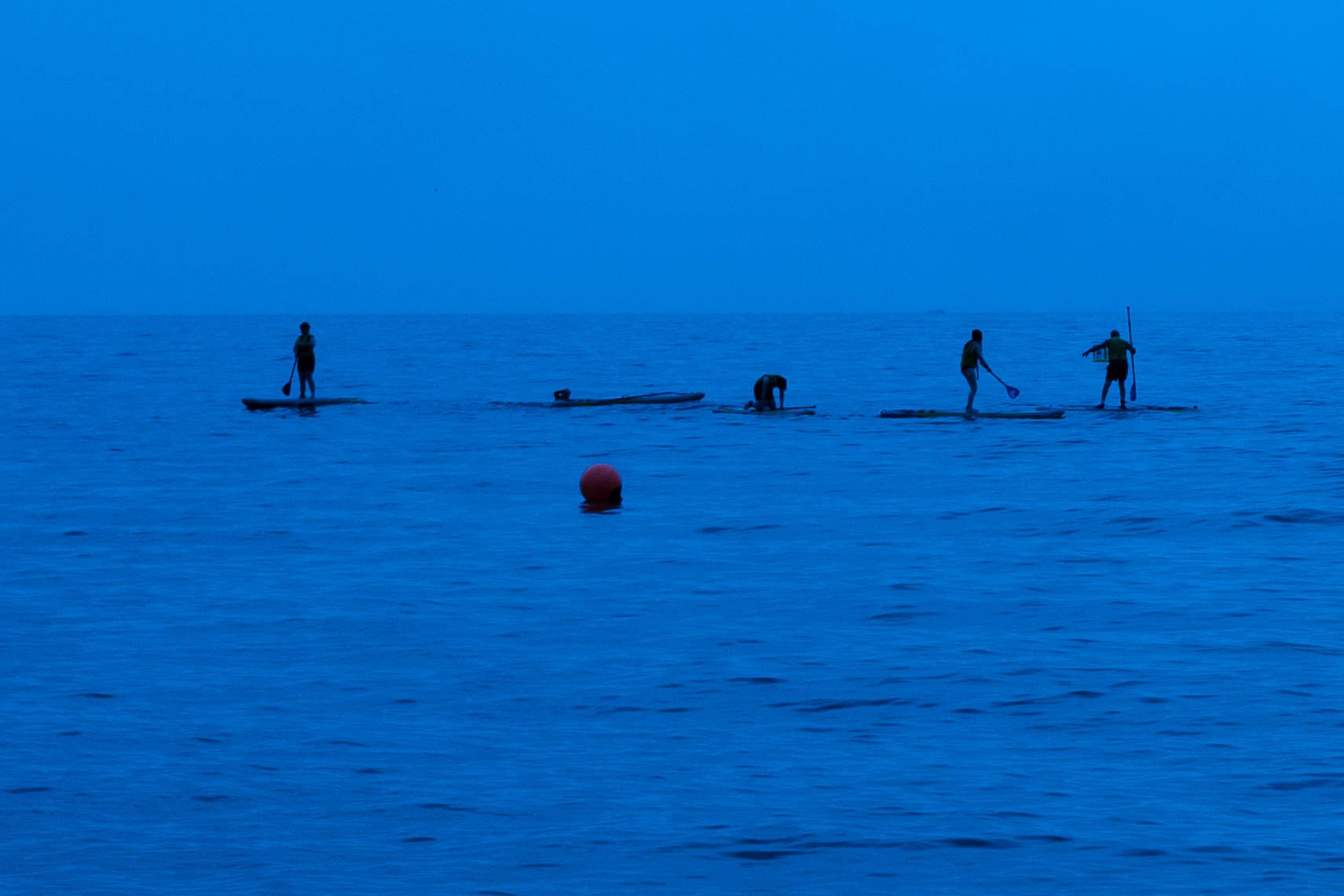
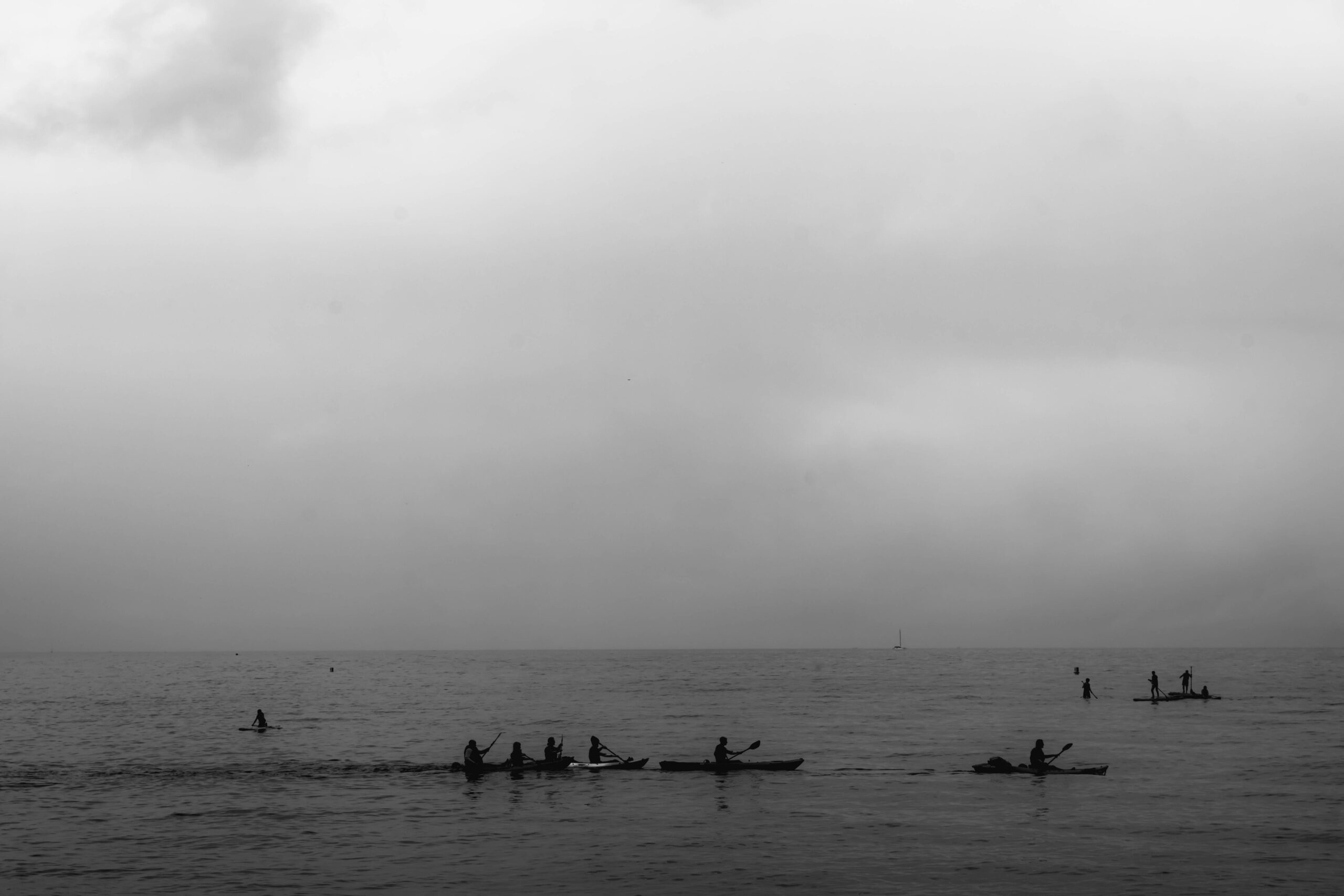
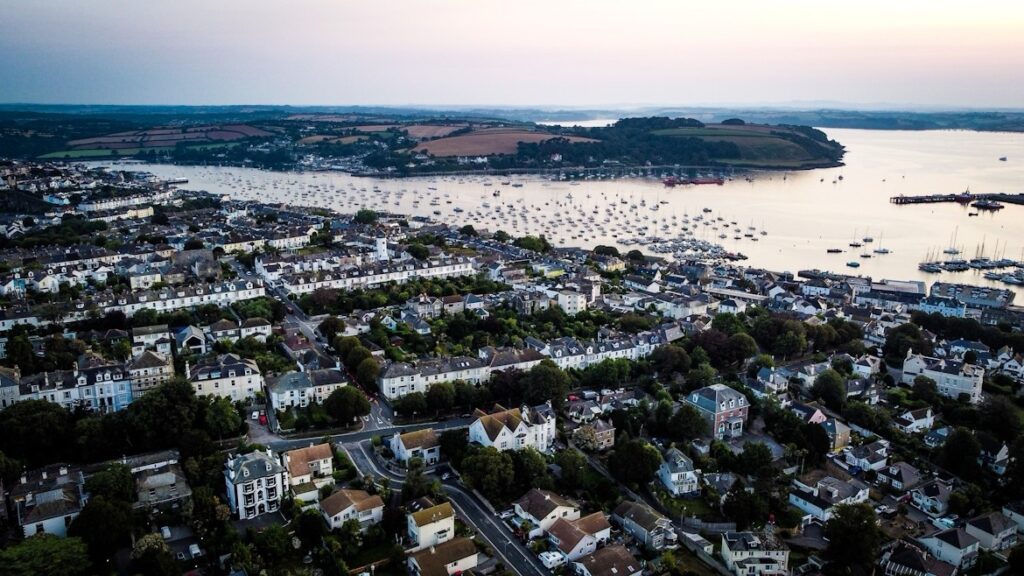
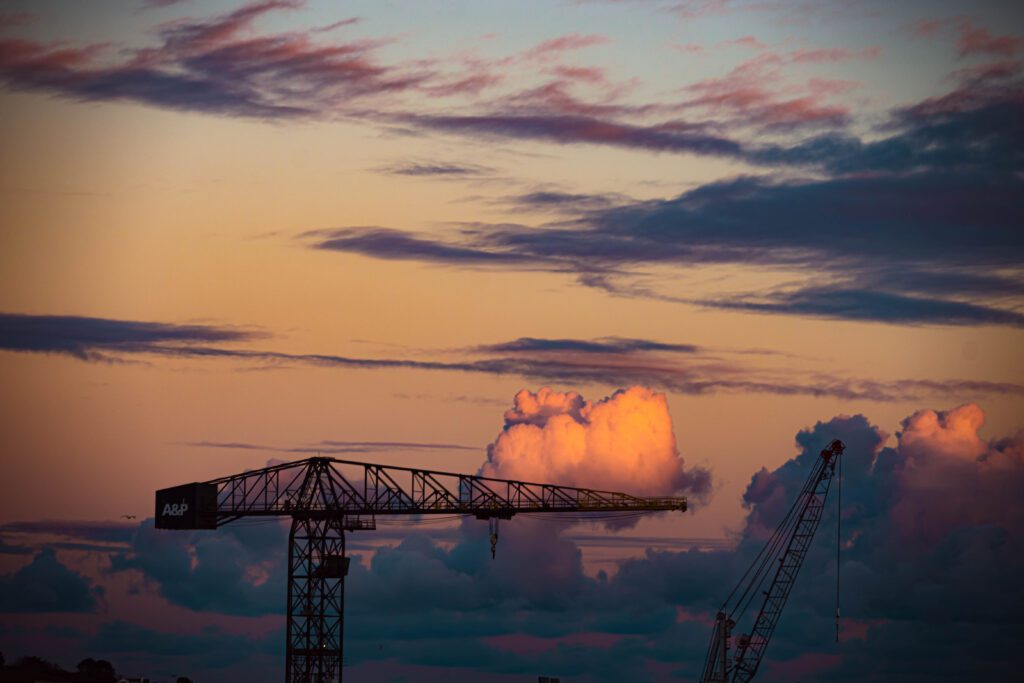
Falmouth has one of the deepest harbours in the world. It has been a harbour for hundreds of years and many famous ships have visited its wharves. Here are a few photos of the harbour.
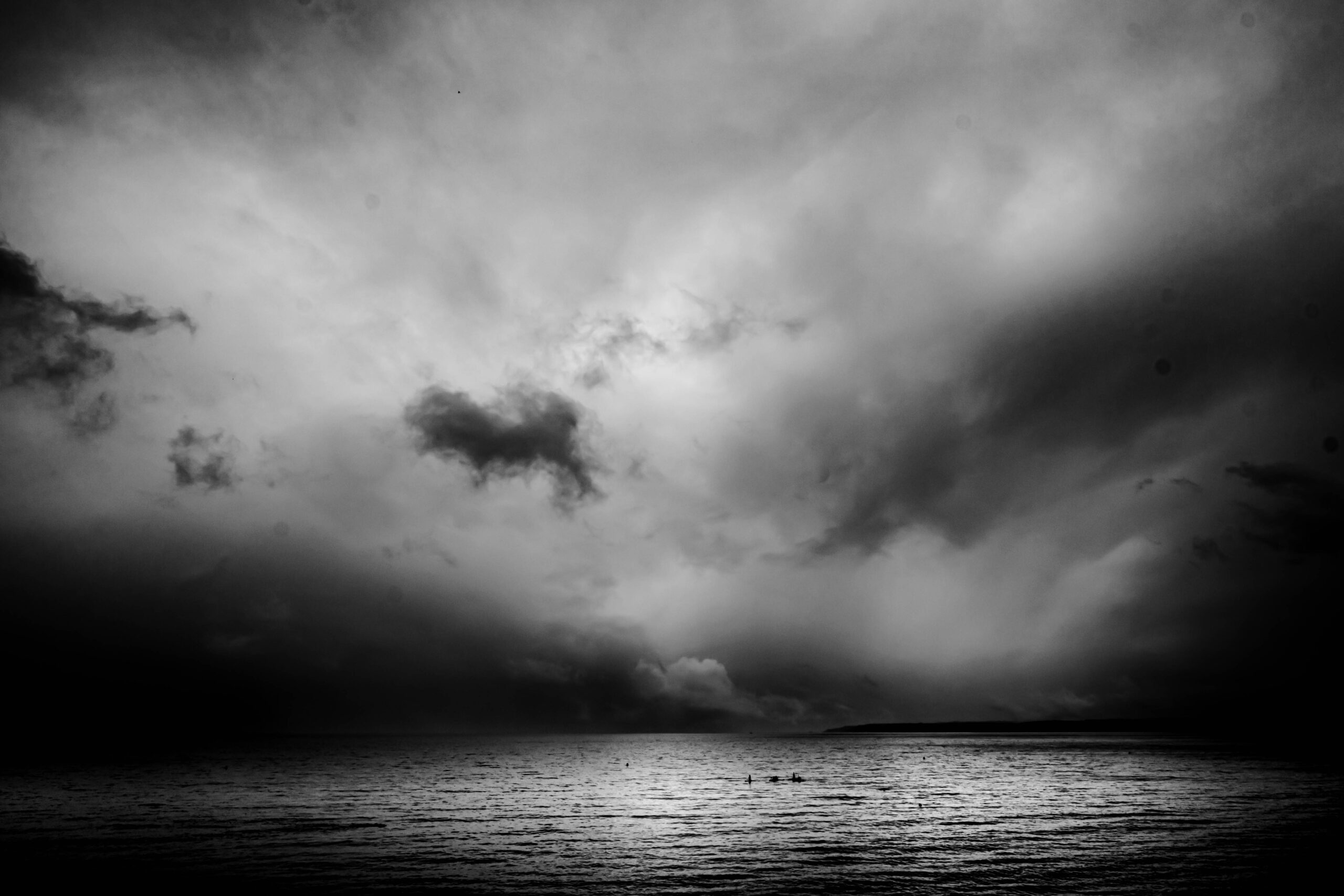
Storm Goretti swept across Cornwall on the night of the 8th of January
Strong winds lashed the coast, heavy rain soaked already saturated ground, and the sea turned hostile, with waves crashing over exposed promenades and harbour walls.
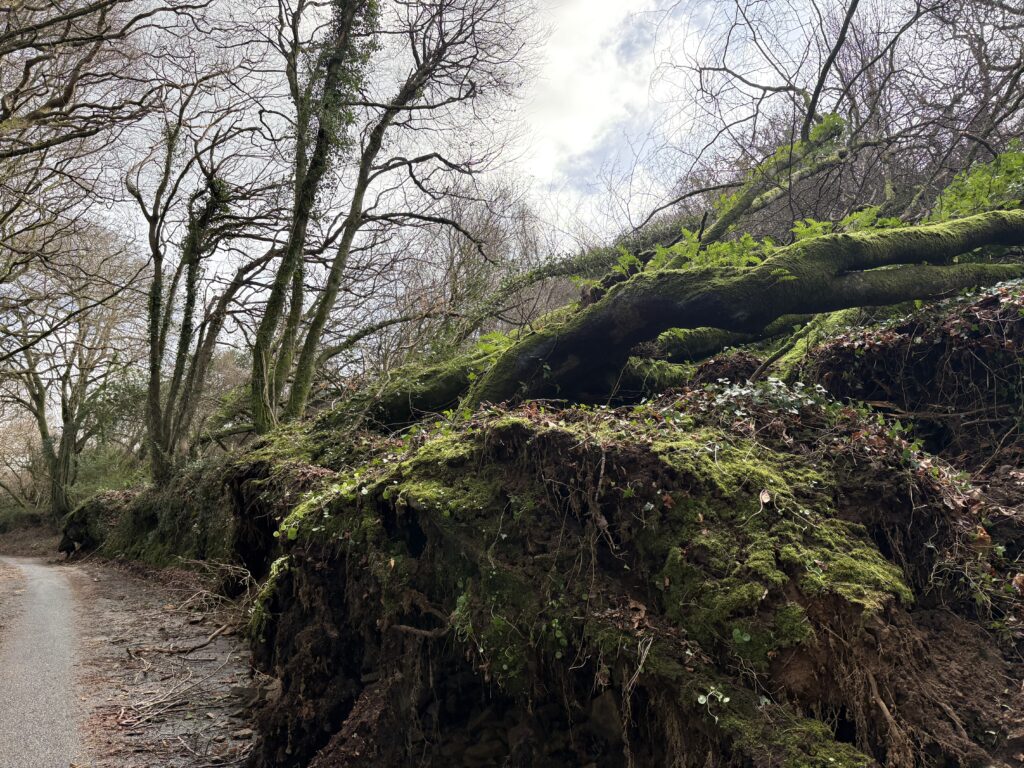
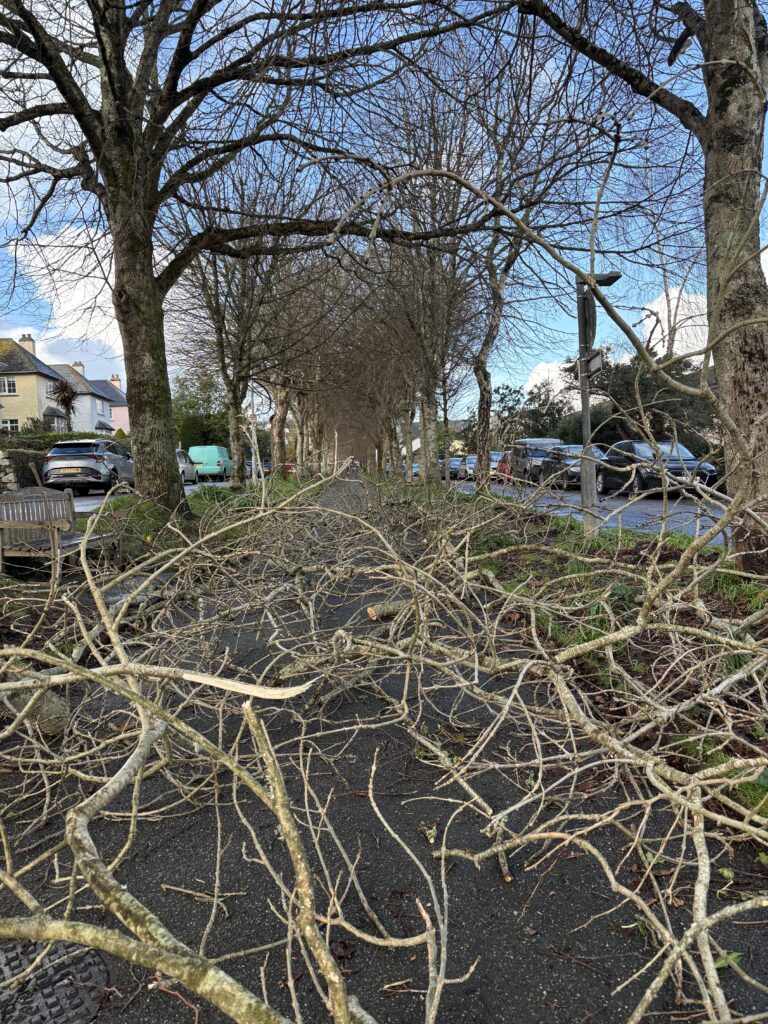
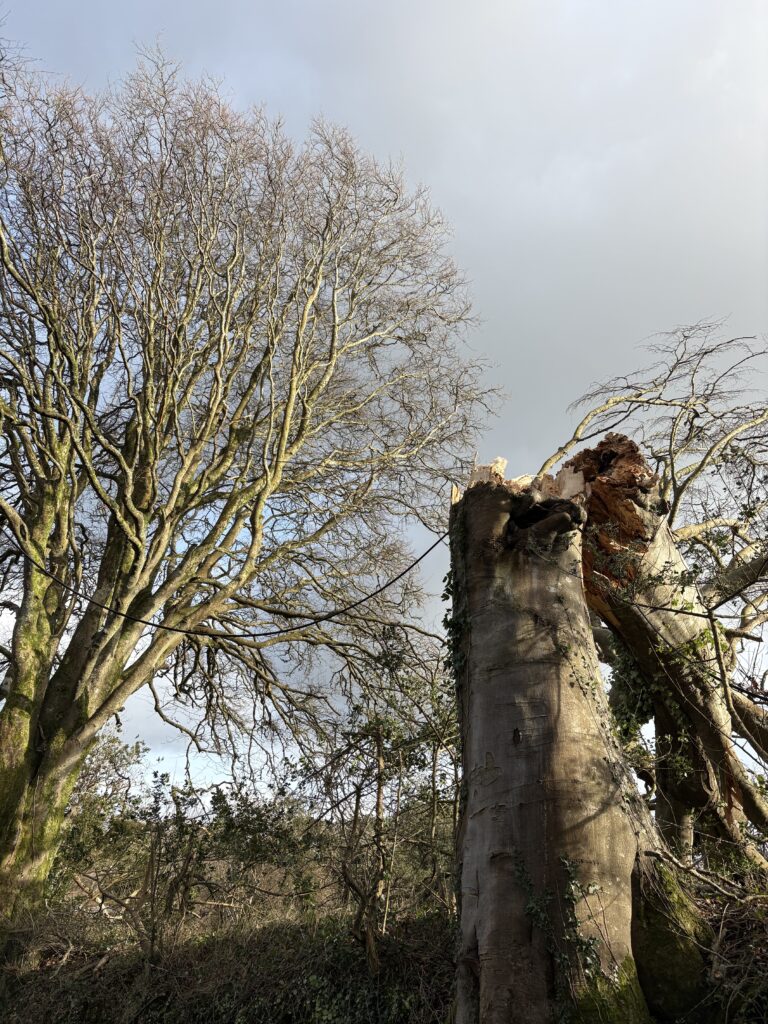
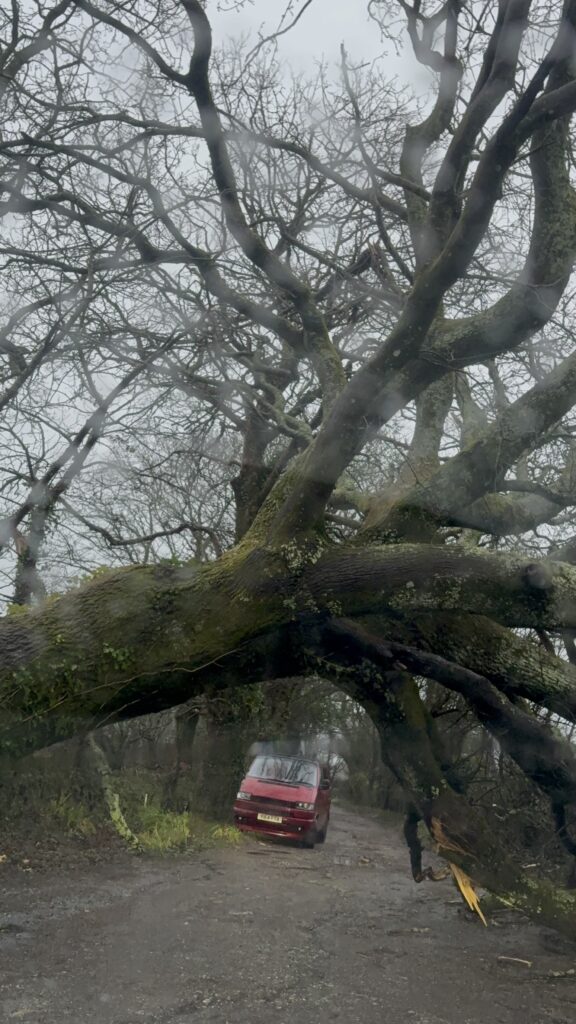
In several coastal towns, people woke to debris on roads and many fallen trees. Drivers faced delays where fallen trees and branches and surface water made conditions difficult, particularly on smaller rural routes. Public transport was also affected in places, with knock-on disruption to bus and rail services as the storm passed through. Emergency crews were kept busy dealing with weather-related call-outs, though serious injuries were thankfully avoided.
Many roads in Cornwall were blocked by fallen trees.
Power cuts were reported in a handful of more remote areas, leaving some homes without electricity for several hours while engineers waited for conditions to ease before carrying out repairs. Farmers have also begun assessing damage to land and livestock after intense rainfall caused pockets of localised flooding.
Although the worst of Storm Goretti has now moved on, the aftermath remains. Coastal businesses are checking for damage, and residents are being urged to stay cautious, especially near cliffs and shorelines, as unsettled weather and strong gusts are expected to linger for a while yet.
Falmouth, known in Cornish as Aberfal, is a historic coastal town in Cornwall, UK. Situated on the south coast, it lies at the mouth of the River Fal, which gives the town its name. Falmouth is famous for its deep natural harbour, maritime heritage, and vibrant arts scene. It is a popular destination for tourists, students, and sailors alike, offering a mix of history, culture, and natural beauty.
Where is Falmouth?
Falmouth is located in the southwest of England, about 11 miles (18 km) south of Truro, Cornwall’s only city. The town sits on the Fal Estuary, which flows into the English Channel, and is known for having one of the deepest natural harbours in the world. This strategic location has played a crucial role in Falmouth’s history, making it an important centre for trade, defence, and maritime exploration.
A Brief History of Falmouth
The area around Falmouth has been inhabited for centuries, but the town itself is relatively young compared to other Cornish settlements. Before Falmouth existed, the nearby village of Penryn was the main port in the area. However, in the 17th century, Sir John Killigrew, a local landowner, founded the town of Falmouth to take advantage of the deep-water harbour.
During the 17th and 18th centuries, Falmouth became a major maritime hub. The Falmouth Packet Service, established in 1689, was responsible for delivering mail and dispatches across the British Empire. This service made Falmouth an essential link in global communication for over 150 years.
Falmouth also played a role in military history. During the Napoleonic Wars, its harbour was heavily fortified, with Pendennis Castle guarding the entrance. In World War II, the town was an important base for the Royal Navy, and American troops departed from Falmouth for the D-Day landings in 1944.
Population and Modern Falmouth
Today, Falmouth has a population of around 22,000 people, although this number fluctuates due to its large student community. The town is home to Falmouth University, a leading institution for creative arts, media, and design. The university has brought a youthful energy to the town, with a growing arts scene, independent shops, and lively nightlife.
Falmouth’s economy is now based on tourism, education, and marine industries. The harbour remains active, with commercial shipping, fishing, and leisure boating all playing a role. The town is also known for its sailing events, including Falmouth Week, which attracts sailors from around the world.
A Town of History and Beauty
Whether you call it Falmouth or Aberfal, this Cornish town has a rich history and a bright future. With its stunning coastline, deep maritime roots, and thriving cultural scene, it remains one of Cornwall’s most fascinating destinations. From its days as a vital trading port to its modern role as a centre for the arts and tourism, Falmouth continues to be a place where the past and present meet.